

Blog · Active Adult Living
Amenities are a lifestyle, and a cost: evaluate the fit before you buy
An active adult community's amenities are a recurring cost and a way of life at the same time. This guide walks the part of the diligence that happens outside the model home: membership structures, what you will actually use, guest policies, the club and class calendar, and the honest ways to try the lifestyle before you commit, with real West Valley examples.
 By Andrew Texidor Realtor · Founder, Clearly Sold Updated November 4, 2026
The direct answer
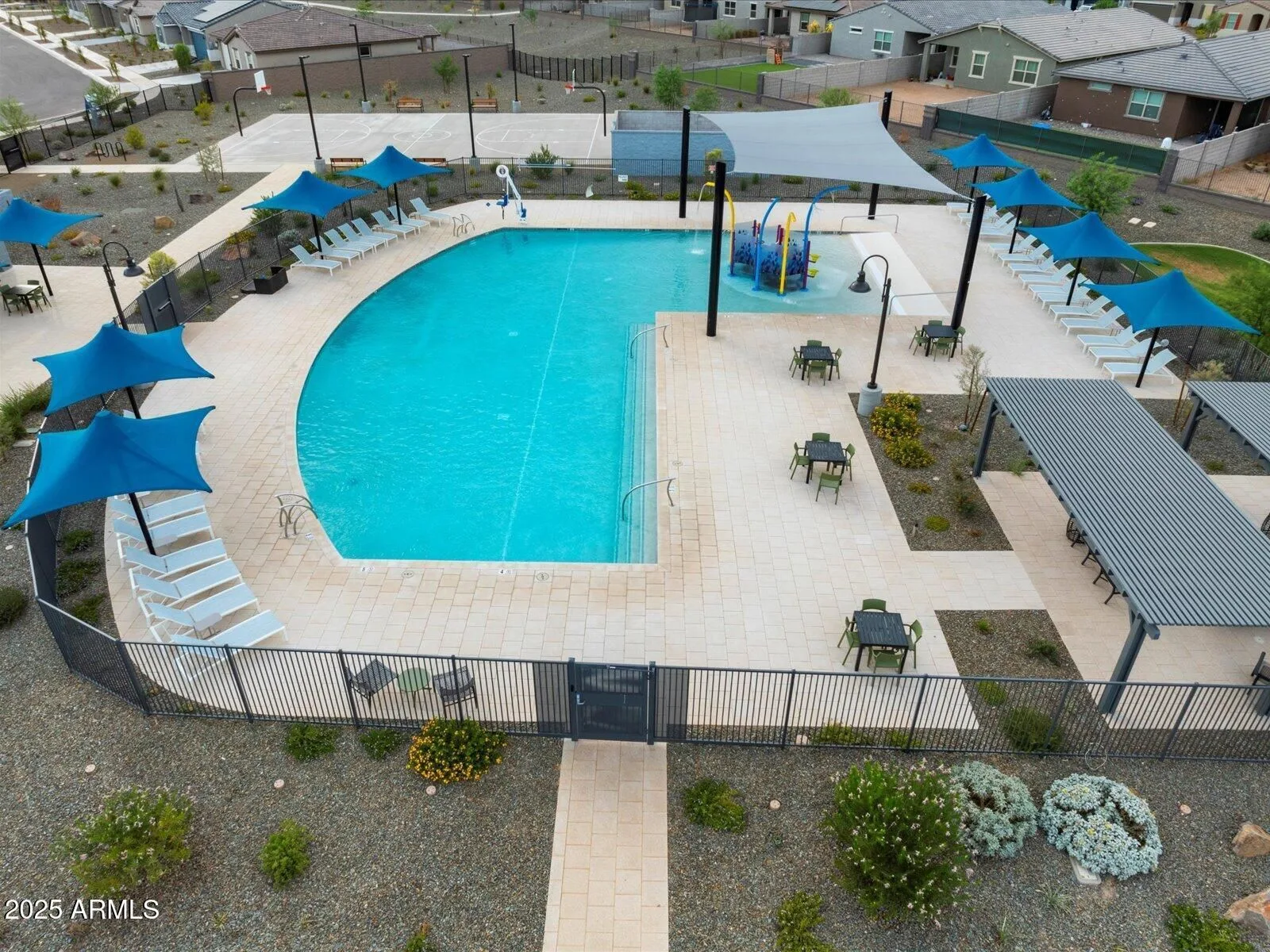
Verify four things about the amenities before you buy: what the fees actually buy, which amenities you and your household will genuinely use, what the rules allow for residents, guests, and renters, and how you can sample the lifestyle before you commit. None of the four is guessable from a brochure, and every community sets its own terms, so the community's current fee schedule, membership documents, and governing rules are the source of truth. Pair that verification with the only test that matters: whether the lifestyle is one you would actually live, not one you admire in renderings.
Keep the label and the rule separate
The words "active adult" and "55+" describe age and marketing, not amenities. A community can be genuinely age-qualified under the federal Housing for Older Persons exemption with modest facilities, and another community can offer resort-style pools and clubhouses without restricting who may live there at all. The exemption does not require a community to provide any particular amenities; it qualifies by age policy and occupancy verification, not by what it builds.
The reverse is equally true, and it matters for this guide: a community can have expensive amenities and charge for them in any structure it chooses. Do not assume that an age label means the lifestyle is free, and do not assume that a quiet community means there is nothing to join. The costs-and-rules guide covers the ownership and fee side in depth; here the question is different: what do the amenities actually deliver, and to whom?
Membership structures: included, optional, or required
Every community splits its amenity bill differently, and the split is the first thing to understand. The two best-known West Valley communities show how different the models can be.
Sun City: the mandatory assessment
The Recreation Centers of Sun City collects a property assessment, about $680 per property as of the start of 2026, that is mandatory for every deeded owner under a recorded facilities agreement, used or not. Facility access is card-based, and golf and bowling are extra. Renters can buy access through Facilities Privilege Cards.
PebbleCreek: the optional layer
In Goodyear, HOA dues cover the guard gate, grounds, recreation complexes, pools, and courts for every resident, while golf is an optional membership with its own pricing, plus a one-time fee at closing. Amenities you want are bundled; the sport you may never play is not.
Those two models are not the only ones. Some communities require club or golf participation, some sell fitness only to residents, and some include everything in the fee. Every figure above is current as of this writing and changes, so confirm the exact amounts with the community. What does not change is the method: get the fee schedule in writing, mark each amenity as included, optional, or required, and total the monthly and annual cost of the lifestyle you would actually choose.
The usage test: what will you actually use?
Amenities only count as benefits when they meet real habits. Build your weekly calendar the way the community builds its activity calendar: how often would you swim, use the fitness center, play tennis or pickleball, use the workshop, or take a class, and would you use them in July as well as January? Arizona communities plan for seasonal life, with snowbird populations changing the pool deck and the class roster by month, so ask about the rhythm of the year you are buying into, not just the one you are touring in.
Then do the arithmetic once, honestly: divide the annual cost of the community by the amenities you project using. If the only facilities you would touch are the walking paths and the pool a few weeks a year, a community with a required golf assessment has a different real cost for you than for a golfer. This is not a reason to avoid a community; it is the reason to know the number before you buy it.
The social layer: clubs, classes, and the activity calendar
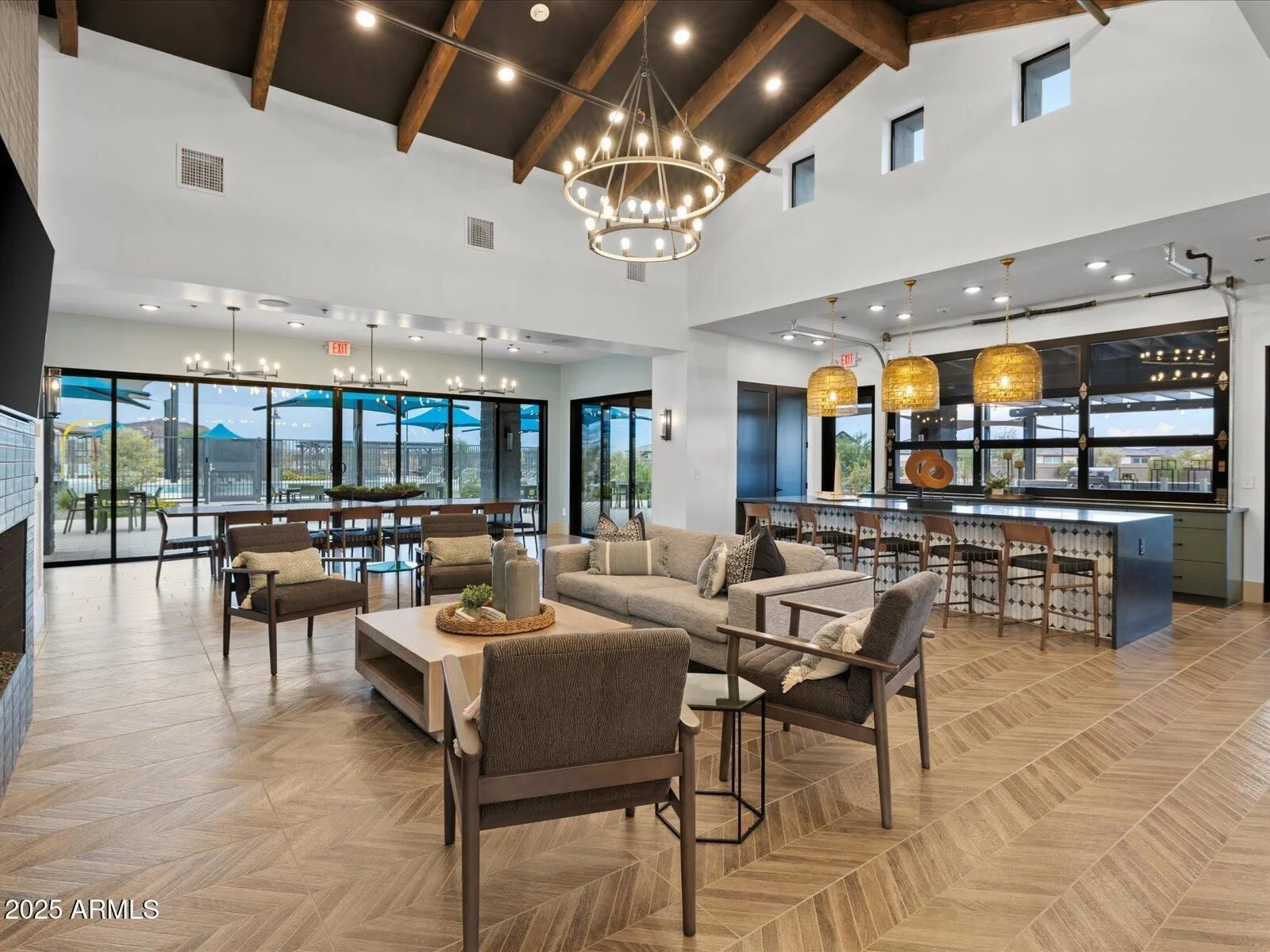
The lifestyle of a West Valley active adult community lives as much in its clubs as in its pools. Sun City is known for a large chartered-club system run by residents, and PebbleCreek maintains well over a hundred resident-run clubs and organizations. The pattern repeats across the corridor: the social layer is member-driven, seasonal, and completely optional from the outside, which makes it the easiest part of the lifestyle to test.
Ask whether you may attend a club meeting or activity as a guest before buying. Read the current activity calendar and the community newsletter, and check the season: many clubs scale down in summer and come back in the fall. A community with an active calendar you would actually join answers the "will I be bored here" question better than any amenity list, and it costs nothing to test except an invitation.
Guests and family: who can visit, and how long
For many households the deciding question is not "what can I use" but "can my family use it when they visit." Out-of-town children, grandchildren, and long-stay guests are a daily fact of Arizona life, and guest policies at the pool, fitness centers, and clubhouse vary by community, from generous guest passes to rules that cap visits or charge a fee. The occupancy rules that govern how long a visitor may stay in the home itself are a separate policy, and both need written answers before the visit, not after.
Ask who counts as a guest, whether a resident can host visitors at every facility or only some, how long visitors may stay under the guest policy, and what the community's visitor and occupancy rules say about extended stays. If family visits are a core part of your life, make the guest policy a deciding factor rather than an afterthought.
Try the lifestyle before you buy
Tours answer "what does it look like." The lifestyle question is better answered by sampling, and the West Valley offers several honest ways to do it. Attend an activity or class as a guest, eat at the clubhouse dining, and walk the facilities at the time of day you would actually use them, not just at the sales appointment hour.
The strongest trial is renting first, where the community allows it. In Sun City, for example, renters and other non-owners can buy a Facilities Privilege Card, about $340 per person per year or $75 per person per month as of this writing, in 30-day, 60-day, 90-day, or annual terms, which grants access to the recreation centers the same way an owner card does. Not every community allows rentals or offers renter access, and a lease must satisfy the community's age and rental policies, so ask each community about its own rules. Renting for a season is more expensive than a tour and cheaper than a mistaken purchase, and it puts the decision where it belongs: with the household that gets to choose its own pace.
The long-run cost: reserves, special assessments, and resale
Amenities are the largest asset most associations maintain, and they wear out on a schedule: pools need replastering, clubhouse roofs need replacing, and fitness equipment turns over. The reserve study and the most recent annual financial report, which you should receive after your offer is accepted in a planned community, show whether the association is funding those replacements or deferring them into a future special assessment. Ask what large replacements are coming and how they are funded, because a beautiful pool with an empty reserve fund is a bill on a timer.
Then think about the resale, because the amenity structure you buy is the one the next buyer inherits. In Sun City the recreation assessment is recorded against the property, so a future owner pays it regardless of use. At PebbleCreek a buyer chooses whether to join golf, and the community charges a one-time fee at closing. If a community requires joining a club or charges transfer fees, those are costs and constraints the next buyer will weigh, and they can change how easily the home sells. Ask what a future buyer would be required to join or pay, and let the answer sit in your decision file.
Accessibility: can you and your guests actually use the amenities?
Accessible design matters at the home and at the clubhouse. Walk the amenities the way you would use them: a no-step path from the parking to the pool deck, a pool lift or entry steps, accessible restrooms at the clubhouse and fitness center, and equipment or classes that fit your own abilities. None of this is guaranteed by an age label, and none of it should be assumed from a floor plan. Ask the community which of its facilities are step-free, what adaptive equipment exists, and whether accessibility improvements are something the association supports.
Do the same for the guests you expect to host: if a parent, sibling, or friend uses a walker or a wheelchair, the step-free path into the clubhouse matters as much for celebrating a grandchild's visit as it does for a daily swim. The home's own accessibility is covered in the costs-and-rules guide; the amenity side belongs in the lifestyle diligence and it is easy to overlook.
How technology helps you compare, and where the community confirms
Clearly Sold is built technology-forward, and Andrew is an AI Certified Agent, but the tools exist to organize the comparison, not to replace it. Activity calendars, fee schedules, club directories, and reserve documents are easier to collect than ever: build a side-by-side table for two communities with the same rows, review the calendars and newsletters online, and use e-signature and virtual tours to keep the research moving from anywhere. A digital checklist keeps every question in one place.
What the tools cannot do is tell you how a specific community applies its membership, guest, or rental rules to your household. That verification always comes from the community itself, in writing, and a good agent pairs the tools with professional judgment so you get both: easier access to the facts and someone who reads them with you before you decide.
The questions to ask each community
Take this list to every community you seriously consider, and ask for each answer in writing. What you cannot get in writing, mark as unverified and keep it out of the decision.
- Get the fee schedule in writing: which amenities are included in the HOA fee, which require an optional membership, and which are pay-as-you-go?
- What can renters and non-owners access, and at what cost, if I want to try the community before buying?
- What is the guest policy: can out-of-town family use the pools, fitness centers, and clubhouse, and how long may visitors stay?
- Which clubs and classes are open to new residents, when does the activity season run, and can I attend as a guest before buying?
- What are the facility hours, and do pools, fitness centers, and courts have seasonal schedules or reserved times for residents?
- How are the amenities funded: reserve study, special assessment history, and the board's current plans for large replacements?
- What happens to amenity access when the home resells: transfer fees, mandatory assessments, or memberships a future buyer must join?
- Are the amenities accessible to you and your guests: no-step entries, pool lifts, accessible restrooms, and equipment you can actually use?
Frequently asked questions
If I never use the pool or the fitness center, do I still pay for them?
In most active adult communities, yes, because the amenities are funded by the association, and every owner pays the assessment whether or not they use the facilities. Sun City is a good example: the Recreation Centers of Sun City annual property assessment, about $680 per property as of the start of 2026 and subject to change, is mandatory for every deeded owner under a recorded facilities agreement, whether or not the owner lives there or uses the centers. Facility use is card-based, and golf and bowling cost extra. At PebbleCreek in Goodyear, by contrast, the HOA dues cover the gate, grounds, recreation complexes, and pools for all residents, while golf is an optional membership. There is no uniform model, so the question to ask each community is whether any part of the fee is optional and whether the things you will not use are bundled into what you must pay.
Can I try a community by renting before I buy?
It depends entirely on the community, so ask before you assume. Many age-qualified communities allow owner rentals under their own occupancy rules, and some make their amenity system available to renters. In Sun City, for example, renters and other non-owners can purchase a Facilities Privilege Card, about $340 per person per year or $75 per person per month as of this writing, for 30-day, 60-day, 90-day, or annual terms, which grants access to the recreation centers at cardholder rates. Other communities restrict rentals or limit renter access, and a lease must still satisfy the community's age-occupancy and rental policies. Ask each community about lease lengths, renter amenity access, and the eligibility paperwork before you plan the trial.
Can my out-of-town family use the pool and clubhouse when they visit?
Guest policies vary widely, and they matter more than most buyers expect. Some communities let residents host guests at the pool, fitness center, and clubhouse under clear rules, sometimes with a guest pass or a limit on visits. Others restrict guest access to certain facilities or charge a daily fee. Ask for the current guest policy in writing, including how long a visitor may stay in the community itself, because the occupancy rules and the guest rules are separate policies and both apply to your household's real life.
If I buy, will the amenities stay funded in the long run?
Amenities are the biggest line in most association budgets, and they wear out. The honest answer comes from the reserve study, the most recent annual financial report, and the board minutes from the previous meetings, all of which you should receive as part of resale disclosure after your offer is accepted in a planned community. A healthy reserve fund means the community is saving for pool replastering, roof replacement on the clubhouse, and equipment turnover; a thin one is the common path to a special assessment after you move in. Ask what the reserve study shows, what large replacements are coming, and whether any special assessment is already on the calendar.
What happens to my amenity access when I resell the home?
The structure you bought travels with the property, so read it with a future sale in mind. In Sun City, the recreation assessment is recorded against the property, which means a future owner inherits the obligation whether or not they use the facilities. At PebbleCreek, golf is optional, so a future buyer can choose their own membership, and the community charges a one-time fee at closing. If a community requires buyers to join a club or pay a transfer fee, that is a cost and a constraint the next buyer will weigh, and it can affect how easily the home sells. Ask what a future buyer will be required to join, pay, or absorb at resale, and put the answer in your decision file.
Related reading
- Active adult living guide The West Valley 55+ corridor and the questions to ask each community.
- Community costs and rules Ownership responsibilities, fees, age and rental rules, and the resale package.
- How HOA rules shape daily life What Arizona associations regulate and how to vet one before you buy.
- Ask Andrew: HOA rules before buying A straight answer on vetting an association before you commit.
- Senior transition hub Rightsizing, selling a long-time home, and planning the next chapter.
- Active adult living articles Community comparisons, downsizing guides, and what to verify.
Important notes: This article explains how to evaluate the amenity and lifestyle side of an active adult community generally. It is not legal, tax, lending, insurance, medical, or financial advice, and it cannot tell you how any community's eligibility, membership, guest, or rental rules apply to a specific household. Fee and card figures for Sun City and PebbleCreek are as of this writing and change; the communities are the authority on their own current terms. Age-qualified communities operate under specific fair housing exemptions, and each community sets and enforces its own occupancy, fee, guest, and membership rules. Verify every current number and policy directly with the community, its association, and the appropriate licensed professionals.
Next step
Match the amenity sheet to the way you actually live
Bring the fee schedules, membership terms, and activity calendars of two communities to one conversation. We will help you compare the included, optional, and required costs side by side, and turn the diligence into a decision you can act on.
- Phone
- 623-400-5957
- hello@clearlysold.com