

Blog · New Construction
Evaluating a new-construction purchase, step by step
New construction is a sequence of written decisions, not a single sales-office visit: community and homesite, the price sheet, representation, the contract, financing, inspections, the walk-through, closing, and the warranty. This guide walks each step in order and ends with a checklist you can actually use.
 By Andrew Texidor Realtor · Founder, Clearly Sold Updated November 10, 2026

The direct answer
Evaluating a new-construction purchase means working the transaction in order: decide whether new fits your situation, choose the community and homesite, read the full price sheet, sort out representation before your first visit, review the builder's contract, compare financing on the same assumptions, schedule inspections through construction, agree a punch list at the walk-through, then close and manage the warranty. The single most useful habit is to convert every claim into a written term: incentives, completion dates, deposit rules, inspection access, rate-lock terms, and warranty coverage all matter only as much as the paper they are written on.
Key takeaways
- Evaluate a new-construction purchase as a sequence of written decisions: community, floor plan, price sheet, contract, financing, inspections, closing, and warranty, not as a single sales-office visit.
- The builder's sales representative represents the builder. At most builders, your own agent must be registered on your first visit, or that agent cannot be compensated later.
- The price sheet is the real number: base price plus lot premium, structural options, and design-center selections, with HOA fees, CFD assessments, and property taxes on top as recurring cost.
- New-home contracts differ from resale. There is no automatic inspection window, so inspection access, the completion estimate, the deposit's refundability, and the rate-lock terms all belong in writing.
- Incentives are dated offers that are often tied to the builder's preferred lender. Compare written Loan Estimates on the same assumptions and weigh total cost, not just the rate.
- Arizona gives new homes a non-waivable implied warranty, and builders commonly add a written 1-2-10 warranty. Read the document, keep the claim procedures, and schedule a one-year inspection.
The nine steps, at a glance
- 1 Decide whether new construction fits New product and new systems in exchange for schedule risk and a builder contract.
- 2 Choose the community, then the homesite HOA, CFD, taxes, schools, and future development, then the lot itself.
- 3 Read the floor plan and the full price sheet Base plus lot premium plus options, with the recurring costs on top.
- 4 Sort out representation before the first visit Registration timing decides whether your agent can be compensated.
- 5 Read the builder's contract before you sign Deposit, completion date, delay terms, and cancellation rights.
- 6 Compare financing and rate-lock terms Written Loan Estimates on the same assumptions, incentive terms included.
- 7 Schedule inspections during construction Foundation, pre-drywall, final, and one-year, with access in writing.
- 8 Walk through and agree the punch list before closing Written items with written dates, not verbal promises.
- 9 Close, move in, and manage the warranty Closing costs, title, and the coverage you keep after move-in.
Step 1: Decide whether new construction fits your situation
New construction trades one set of unknowns for another. You get a chosen floor plan, new systems, and no prior owners, in exchange for a completion date that is an estimate, a budget that can grow with change orders, and a builder contract that deserves a careful read. It is not automatically better or worse than resale; it is a different set of tradeoffs, and the honest starting point is whether the product, the timeline, and the price structure fit your move.
Timing matters. In Phoenix Metro, build-to-order homes commonly quote a contract-to-close window of roughly six months to a year, while spec and quick move-in homes can be ready in weeks. If your move date is fixed, the schedule risk is the first question, not the last.
Step 2: Choose the community, then the homesite
The community decides most of your recurring cost and daily life. Read the HOA governing documents and fee schedule for the exact community and phase, confirm any CFD or other assessments for the parcel with the bond schedule and term, get a property tax estimate for the completed home rather than the vacant lot, and test school boundaries and the commute at the hours you actually drive.
The homesite adds its own numbers: a lot premium for location, and practical tradeoffs in orientation, exposure, view, and proximity to roads or future development. A price that looks competitive on paper can carry a heavy HOA and CFD load, and a higher base in a lower-assessment community can net out differently.
Step 3: Read the floor plan and the full price sheet
The advertised price is rarely the price you will pay. The real number is base price plus lot premium, structural options, and design-center selections, and what is included versus what is an upgrade is written, item by item, not assumed. Get the upgrade price list for your phase, ask what the design-center allowance is, and confirm the deadline for final selections, because choices made later are priced off a schedule that can change.
Build in a healthy allowance for the selections you will actually make, and compare the finished price against resale homes of the same size and age, not the base price against a resale list price.

Step 4: Sort out representation before the first visit
The person in the sales office represents the builder, not you, and registration timing decides whether your own agent can be compensated at all. At most builders, the rule is that an agent must accompany you on your first visit and register before you sign in or sign the builder's registration card. The Arizona Department of Real Estate notes that a buyer who visits without a representative can return with one later, but that representative may not receive compensation for that purchase. Once you sign in as unrepresented, most builders treat you as their own customer. Confirm each builder's written rule before your first visit.
Representation at a builder means reading the purchase agreement line by line, comparing incentives and financing against outside options, and staying involved through construction, inspections, and closing. Whether it is worth it depends on the builder, the transaction, and your own comfort with the paperwork.
Step 5: Read the builder's contract before you sign
New-home purchases typically use the builder's own contract, sometimes paired with a new-construction addendum, so the deadlines are set by that document, not by a standard resale form. Read the deposit terms: how much is due, where it is held, and when it becomes refundable, because builders' contracts can differ sharply from the customary refund rules on resale. Confirm the estimated completion date and the delay and extension language, and how the contract handles your rate lock if the date moves.
For a subdivision sale, the developer is required to provide a Subdivision Public Report from the Arizona Department of Real Estate before the purchase contract is executed, and a sale without the required report is voidable at the buyer's option. Ask for the report, read the cancellation and price-adjustment terms, and remember that verbal promises about anything, incentives included, do not survive the process unless they are written into the contract.
Step 6: Compare financing and rate-lock terms
A builder cannot legally require you to use a specific lender, but it can make incentives such as rate buydowns and closing-cost credits conditional on its preferred or affiliated lender, which is how many Phoenix-area builders structure them. The comparison that matters is not rate alone. Get written Loan Estimates from the builder's lender and at least one outside lender on the same day with the same loan amount, program, down payment, occupancy, and lock period, then compare total cash to close after all credits and the full monthly payment.
For to-be-built homes, the lock itself is a term to price: how long it runs, whether it can be extended and at what cost, and whether a float-down is available if rates fall. Mortgage rates in late 2026 have been easing and moving by the week, which is exactly why the lock, not a survey headline, is what a specific lender quotes. Ask whether any incentive is available at a reduced amount if you use an outside lender, and get that answer in writing.
Step 7: Schedule inspections during construction
Unlike a resale contract, a builder's contract does not come with an automatic inspection window, and an active jobsite is the builder's controlled worksite, so inspection access is granted at the builder's discretion. Ask for the access policy in writing, and where it is allowed, the common sequence is a pre-pour or foundation inspection, a pre-drywall inspection before the walls close up (usually the highest-value stop), a final inspection before closing, and a one-year warranty inspection. City or county building inspections verify code conformance at set points; they are not a workmanship review, and an Arizona home inspector must be certified by the Arizona Board of Technical Registration.
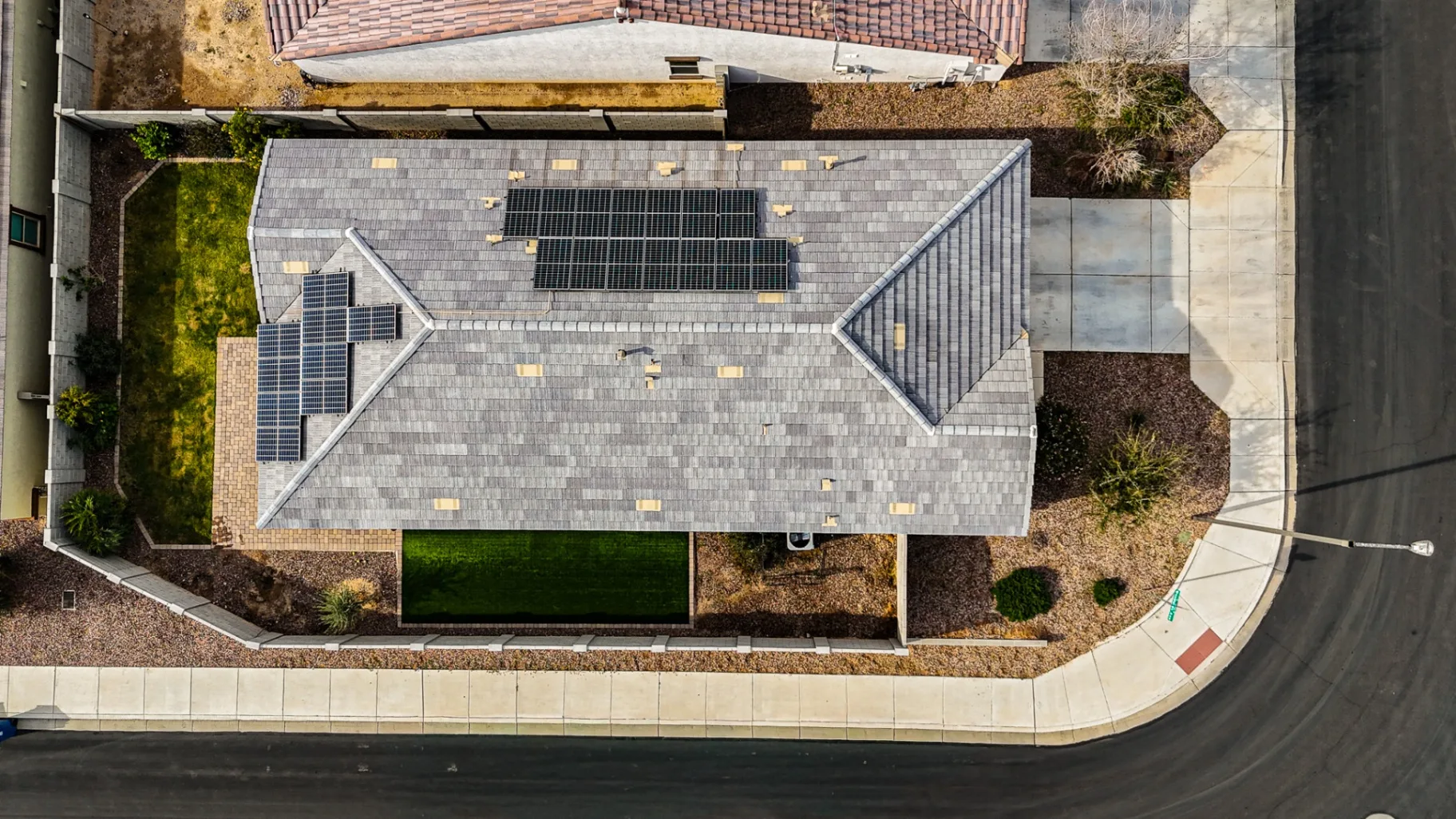
Step 8: Walk through and agree the punch list before closing
A final walk-through a few days before closing is where you verify the home matches the contract and write the punch list. Put every item in writing with an agreed completion date, and do not close on an unfinished list based on a verbal promise to fix it later. If items remain, the terms for when they will be completed belong in the contract or a signed written agreement, not in a conversation.
Step 9: Close, move in, and manage the warranty
Closing brings the same title, escrow, and closing-cost mechanics as any Arizona purchase, with the new-home extras already on the list: lender costs, title and escrow, prepaid taxes and insurance, and any CFD or HOA prorations. Read the estimated closing costs line by line and compare them to the written estimates you collected earlier.
After move-in, the warranty is your standing agreement with the builder. Arizona imposes a non-waivable implied warranty of workmanship and habitability on newly built homes, and most builders add a written express warranty, commonly a 1-2-10 structure: one year on workmanship and finish, two years on systems such as plumbing, electrical, and HVAC, and ten years on major structural elements. Keep the document, know the claim procedures and how to file, and schedule a one-year inspection before the first coverage window closes.
The decision checklist: what to verify in writing
This checklist is the practical core of the guide. Work through it category by category, and treat any item you cannot get in writing as an open question, not a settled term.
Community and homesite
- HOA governing documents, fees, and planned increases for the exact community and phase
- CFD or other assessments quoted for your parcel, with the bond schedule and term
- Property taxes estimated for the completed home, not the vacant lot
- School boundaries and commute tested at the hours you actually drive
Price sheet
- Base price, lot premium, and the full upgrade price list for your phase
- What is included versus what is an option, item by item
- Design-center allowance and the deadline for final selections
- Every incentive in writing with an effective date, attached to the purchase agreement
Representation
- Agent registered on your first visit, under the builder's written rule
- Agency relationship confirmed in writing before you sign a builder guest card
Contract
- Deposit amount, where it is held, and when it is refundable
- Estimated completion date and the delay and extension language
- Rate-lock terms and who pays for an extension if the date slips
- Cancellation and price-adjustment terms, and the ADRE Subdivision Public Report
Financing
- Written Loan Estimates from the builder's lender and an outside lender on the same assumptions
- Rate lock length, extension cost, and float-down rights
- Incentive terms if you use an outside lender instead
Inspections and walk-through
- Inspection access negotiated in writing, with the phases you can schedule
- Third-party inspector certified by the Arizona Board of Technical Registration
- Punch list completed before or at closing, with agreed completion dates in writing
Warranty
- The warranty document, what it covers, and how long each coverage runs
- Claim procedures and contact for filing
- A one-year warranty inspection before the first coverage window closes
The tradeoffs worth weighing
What new construction tends to offer
- A chosen floor plan, finishes, and systems, with no prior owners.
- A defined base price, lot premium, and written upgrade list.
- A builder limited warranty plus the state's implied warranty.
- Newer systems and finishes, which can mean less immediate upkeep.
What you are trading for it
- An estimated completion date that can move.
- Change-order and design-center costs that grow the budget.
- Incentives that are dated and often tied to the preferred lender.
- CFD and HOA load, taxes, and insurance on top of the price.
Neither column is automatically better. The trade is one set of unknowns, an existing home's true condition and history, for another set, a builder's schedule, contract, and finish quality. The guide's job is to make both sides visible so the choice is yours.
Frequently asked questions
Is buying new construction more expensive than buying resale?
There is no universal answer, because the price sheet and the closing costs are different on each path. New construction starts at the base price, then lot premium, structural options, and design-center selections add on, and HOA fees, CFD assessments, taxes, and insurance are recurring costs on top. A resale home has a list price that reflects the finished home and its history, but it may need repairs and updates. The honest comparison is the full cost to own each home over your planned time there, with the builder's written price sheet on one side and the resale's condition and closing costs on the other.
Do I have to use the builder's lender to get the incentive?
A builder cannot legally require you to use a specific lender, but it can make an incentive conditional on using its preferred or affiliated lender, and that is how many Phoenix-area builders structure rate buydowns and closing-cost credits. The decision should not be based on the rate alone. Ask the builder's lender and at least one outside lender for written Loan Estimates on the same day with the same loan amount, program, and lock period, then compare total cash to close and the monthly payment after the incentive. A higher pre-incentive rate through the preferred lender can sometimes still win on net cost, and the reverse is also true.
Can I have a home inspector check the home before it is finished?
Unlike a resale contract, a builder's contract does not come with an automatic inspection window, and a new-home jobsite is the builder's controlled worksite, so inspection access is granted at the builder's discretion and must be negotiated in writing. Where access is allowed, the common sequence is a pre-pour or foundation inspection, a pre-drywall inspection before the walls close up (usually the highest-value stop), a final inspection before closing, and a one-year warranty inspection. City or county building inspections verify code conformance at set points; they are not the same as an independent workmanship review, and an Arizona home inspector must be certified by the Arizona Board of Technical Registration.
What happens if the completion date slips past my rate lock?
The completion date in the sales office is an estimate, and the only binding language is in the contract. Read how the contract handles extensions, when closing is scheduled, and what happens to your deposit and your rate lock if the date moves. Ask whether the lock can be extended, for how long, and who pays, and get it in writing. If your move date is fixed by a lease or a job, build a buffer that can absorb a slip rather than assuming the builder's estimate holds.
What does the new-home warranty actually cover?
Arizona imposes a non-waivable implied warranty of workmanship and habitability on newly built homes, and builders cannot contract around it, with a time limit for hidden construction defects set by statute. On top of that, most builders offer a written express warranty, commonly a 1-2-10 structure: one year on workmanship, materials, and finish, two years on systems such as plumbing, electrical, and HVAC, and ten years on major structural elements. The document for your specific builder is the source: read what is covered, what is excluded, how long each period runs, and the exact claim and dispute procedures, and schedule a one-year inspection before the first coverage window closes.
When do I need to register my agent with the builder?
At most builders, the rule is registration on your first visit, with the agent accompanying you before you sign in or sign the builder's registration card. The Arizona Department of Real Estate notes that a consumer who visits a development without a representative can later return with one, but that representative may not receive compensation for the purchase. Once you sign in as unrepresented, most builders treat you as their own customer and will not add an agent later. Confirm each builder's written registration rule before your first visit, because this decision usually cannot be undone.
Related resources
- New construction vs resale Condition, timing, costs, warranties, incentives, and contingencies compared without sweeping claims.
- The certainty tradeoff The knowns and unknowns of buying new, from schedule risk to change orders, in one honest list.
- Do you need a Realtor for new construction? What representation at a builder actually involves, and the questions to ask before you sign.
- CFDs in Phoenix Metro What a Community Facilities District is, how the assessments work, and how to verify parcel-specific numbers.
- Buyer closing costs The itemized lender, title, escrow, and prepaid costs Arizona buyers pay at closing.
- Earnest money in Arizona How much to expect, where the deposit is held, and the contract protections that return it.
- Book a strategy call Walk through the price sheet, the builder terms, and the financing comparison with Andrew.
Technology note: Andrew is an AI Certified Agent, and Clearly Sold uses digital tools to make this process manageable: side-by-side price and financing comparisons on the same assumptions, organized checklists that carry the written verifications above, and digital document review so the builder's terms are read before they are signed. Tools organize information and make tradeoffs visible; they never replace professional judgment, and nothing on this page promises a price, a timeline, an approval, or a defect-free home.
Sources and dates compiled November 10, 2026: Arizona Revised Statutes on new-home warranty and the Subdivision Public Report (Arizona home warranty law, A.R.S. § 32-2183), the Arizona Department of Real Estate's consumer guidance on representation and public reports (azre.gov), the Arizona Board of Technical Registration's home-inspection certification page (btr.az.gov), the Arizona Association of REALTORS forms library (aaronline.com), City of Phoenix residential inspection points (phoenix.gov), and dated 2026 coverage of builder inspection access and preferred-lender incentives. Builder schedules, incentives, warranties, CFD assessments, HOA fees, and financing offers vary by builder, community, and date, and they change often. This guide makes no guarantee of certainty, defect-free construction, savings, or coverage, and it does not assume resale homes are inferior. Verify every provider-specific term in writing with the builder, the community, and your lender before committing.
Next step
Working through a new-construction purchase?
The price sheet, the builder terms, and the financing comparison all deserve a second set of eyes on the real numbers. A strategy call walks through each step with the written terms in hand.
- Phone
- 623-400-5957
- hello@clearlysold.com