

Blog · Senior Transitions
The family home, ready: preparing for sale in a transition
A home lived in for decades carries decades of belongings, deferred maintenance, and memories. Preparing it for sale during a senior transition is about balance: enough decluttering and repair to present the home honestly, without over-improving it for a buyer who may want different finishes anyway. This guide walks the prep playbook, the repair decisions, and the questions to ask, with the work and the choices kept in the owner's hands.
 By Andrew Texidor Realtor · Founder, Clearly Sold Updated November 16, 2026
The direct answer
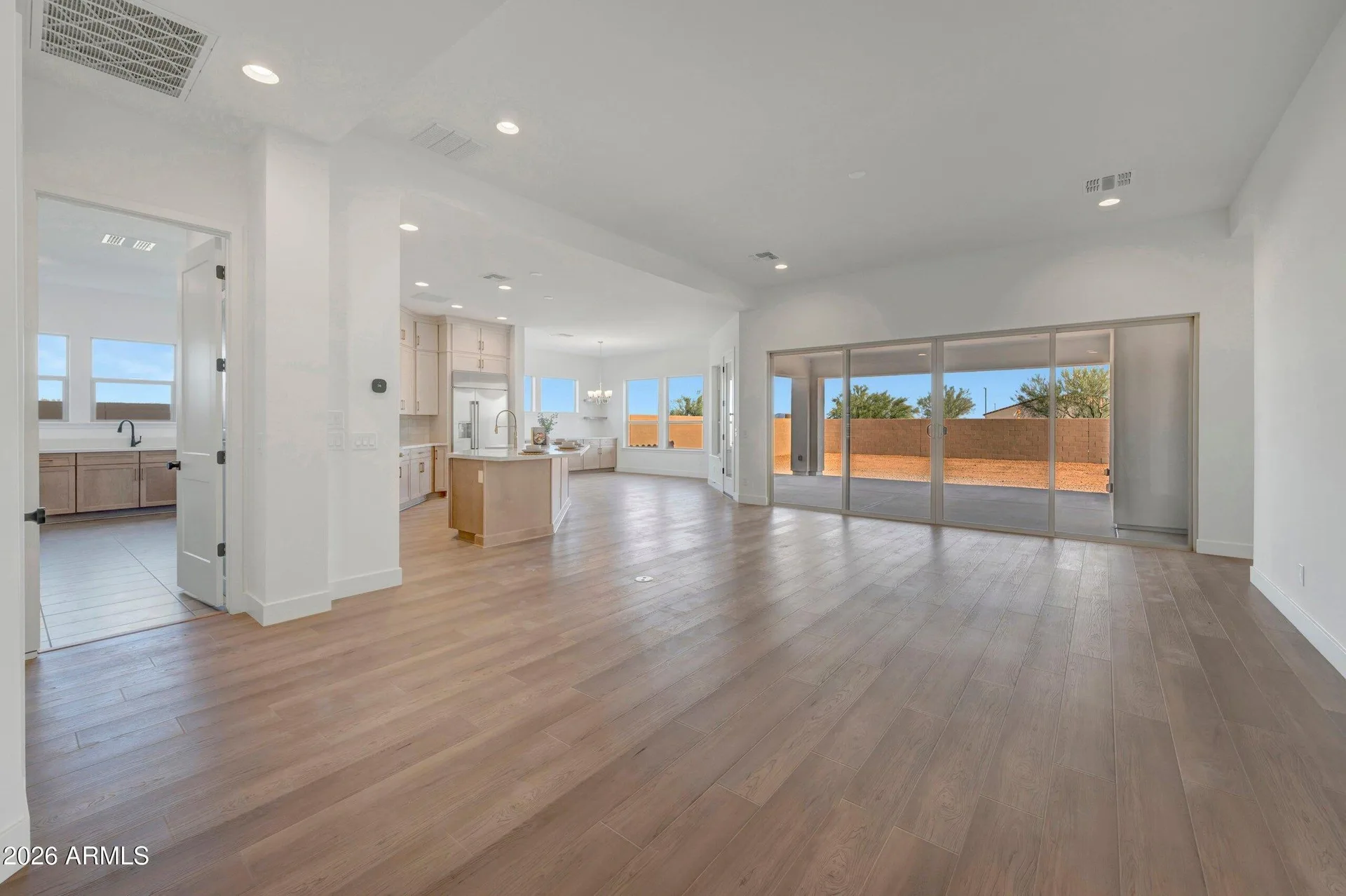
Preparing a long-time family home for sale in a senior transition is a series of choices, not a fixed renovation checklist. The goal is to present the home honestly and let its real strengths show, within the budget, the timeline, and the energy you choose to spend. Start with decluttering, because it overlaps the downsizing that a move involves anyway, then triage the repairs into what must be fixed, what is worth refreshing, and what you will honestly sell as-is. Every prep decision connects back to the selling strategy you pick, and the owner stays at the center of what gets done, with family, lenders, inspectors, and professionals supporting but not deciding for them.
Start with the plan, not the paint
The prep window is set by two dates that are already on the calendar: the day you want to list and the day you need to move. Work backward from those, and give the prep a deadline that lands before the listing, not during it. Before anyone buys paint or books contractors, the plan should name who does what. In a senior transition that often means family members coordinating cleanouts and repairs under agreed roles, which requires no legal authority at all, while the owner whose home it is holds every decision about it. The senior transition checklist lays out the phases around this one so the prep, the sale, and the move share a single timeline.
- Put the prep window on the calendar with the sale date and the move date, so the work has a deadline that comes before the listing does
- Sort and clear the rooms before you paint or repair, since empty rooms show a home's real size and selling any furniture first funds part of the rest
- Decide who handles each job, the owner, a family member under agreed roles, or a hired professional, and keep the owner in every decision about their home
- Collect the paperwork buyers and title will ask for early: warranty and service records, the HOA or community documents, and any permits you can find
- Write down what you know will not be done, so the prep plan is honest about an as-is or a partially-finished condition before you price the home
Declutter first, because it is downsizing too
The single highest-leverage prep step is not a repair, it is making space. Cleared-off counters, an emptied guest room, and a garage that closes let buyers see the home's real footprint, and they photograph that way. Use the same keep, donate, sell, and recycle categories the downsizing guide uses, work room by room in calm sessions, and treat sentimental items as decisions with a plan rather than a rush. An estate sale or cleanout service can help when the volume is more than the household wants to handle, and the cleanout guide keeps consent and ownership questions front and center. Because the belongings are leaving anyway, prep and downsizing reinforce each other instead of competing.

Deferred maintenance: triage it, do not guess it
Long-time homes accumulate the same cluster of aging systems: the roof, the HVAC, the water heater, the electrical panel, and the plumbing. None of those should be a guess in a sale. The cleanest way to turn guesswork into facts is a pre-listing home inspection, which a seller chooses to order and pay for before the home is on the market. Sellers who do this typically spend a few hundred dollars and gain something more valuable than the report alone: time, on their own schedule, to decide what to repair, what to refresh, and what to leave honestly as-is, with contractor quotes instead of a buyer's ticking clock. Buyers in Arizona commonly order their own inspection too, so a pre-listing report does not remove that step, but it removes the element of surprise.
- Safety and function first: a non-working HVAC in an Arizona summer, a water leak, an electrical panel that is unsafe, or a roof that needs attention are the items that stop a buyer or an underwriter cold
- Put a question mark, not a guess, on every major system you are unsure about: the roof, HVAC, water heater, and electrical age and condition set the repair list and often the insurance and financing picture
- Separate the must-fix from the nice-to-have: sellers who order a pre-listing inspection are paying to find the list on their own timeline instead of during a buyer's inspection contingency
- Get two written quotes for any repair you seriously consider, and let the quotes, not a fear of the unknown, decide what gets done
Repairs, refresh, or as-is: all three are choices
There is no universally superior prep level, and a long-time owner should not be steered into an overhaul they did not ask for. What matters is that the prep level matches the selling strategy and that the condition is priced and disclosed honestly. Compare the three broad approaches below on the same basis, and the home-needs-repairs guide and the seller options guide go deeper on the tradeoffs of each path.
Light touch
Declutter, clean, tune up curb appeal, and leave most mechanical items for the buyer's inspection to log. Fast, low-cost, and honest.
Targeted repairs
Fix the safety and function items the triage flags, and refresh the few surfaces that photograph poorly. The option most long-time sellers pick.
Sell as-is
List it honestly with no prep beyond cleanup. Tradeoffs: a lower price, a limit on financing pools, and no surprises if your time and energy are better spent elsewhere.
Whichever path the owner chooses, the strategy and the compensation structure stay separate considerations. A low-prep, as-is listing is not the same thing as a flat-fee listing, and a full service sits above both. The compare-sell-options resource lays out who each strategy fits and what it includes, so the choice about prep can stay a choice instead of being bundled into a decision it does not make.
Curb appeal and the showing-ready interior
The photos and the first drive-up set the tone, so the exterior earns its own small plan: a clean entry, trimmed desert landscaping, and a front door and garage that read tidy cost almost nothing and photograph well. Inside, neutral and uncluttered beats bold and personal for showings, but that is a preference, not permission to strip an owner's home of the character they love. The goal is space and light, which decluttering already delivers. Ask what the showing calendar and the photos actually need, then decide together how far the prep goes.

Prep does not erase the disclosure duty
Repairs, cleanouts, and staging make a home show well; they do not remove what Arizona law required sellers to disclose. A pre-listing inspection and a disclosure are different documents with different jobs, and everything you learn about the home, whether from your own inspection or your years in it, is part of the honest picture you present through the Seller's Property Disclosure Statement. If a repair is not done, it gets disclosed as not done, which is how priced and disclosed condition keeps a transaction honest on both sides. See the disclosure explainer for what the SPDS covers and the delivery rule that applies.
Family roles, and whose home it is
Age does not decide who can manage a prep, coordinate a cleanout, or choose what to keep, and nothing here assumes otherwise. The owner whose home it is holds the decisions about their belongings, their budget, and how much prep feels right, and family helps best with clear, agreed roles for the lifting, the calls, and the paperwork. Helping with any of that requires no legal authority. Signing the listing or the deed is different, and the authority guide explains powers of attorney, trusts, and court authority for the transaction itself, with the owner at the center either way.
How technology keeps prep honest without deciding it
Andrew is an AI Certified Agent™, and the tools behind Clearly Sold exist to organize the facts, not to replace a household's judgment. A shared digital folder keeps the inspection report, the contractor quotes, the calendar, and the disclosure drafts in one place that out-of-state family can see. A simple checklist turns the prep into clear boxes, and comparative data and virtual tours help the owner see how the home will present to buyers without guessing. Those are the practical benefits of a technology-forward approach: easier access to information, understandable tradeoffs, and clear next steps that let people make their own decisions.
What the tools cannot do is set your prep budget, value your belongings, or tell you whether a repair is required for insurance or a loan. That is the job of the owner, their family, and the licensed professionals for each subject. Technology organizes the facts; the verification and the choice stay with the people whose move this is.
Frequently asked questions
How much prep does a long-time family home really need before listing?
Enough to present it honestly and let its real strengths show, which is a balance, not a fixed standard. At minimum, declutter and clean so rooms read at their true size, and fix or clearly disclose the safety and function items you know about. Beyond that, what to repair, refresh, or leave alone is a choice you make against your budget, your timeline, and your energy, and it should line up with the selling strategy you choose. No guide can set your exact prep level; the plan you write with your team does that.
Is a pre-listing inspection worth the cost for a seller?
It is a tool, not a requirement, and for a home of decades it is often the fastest way to turn guesses into facts. Sellers who order one typically pay a few hundred dollars and use the extra time, before the home is even listed, to decide what to repair and what to leave, with written quotes in hand. Buyers in Arizona commonly still order their own inspection, so a pre-listing report does not replace that step, and everything found on either inspection must be handled honestly. Ask your team whether the report is worth it for your home and your market before you decide.
Should I renovate the kitchen or bathroom before selling?
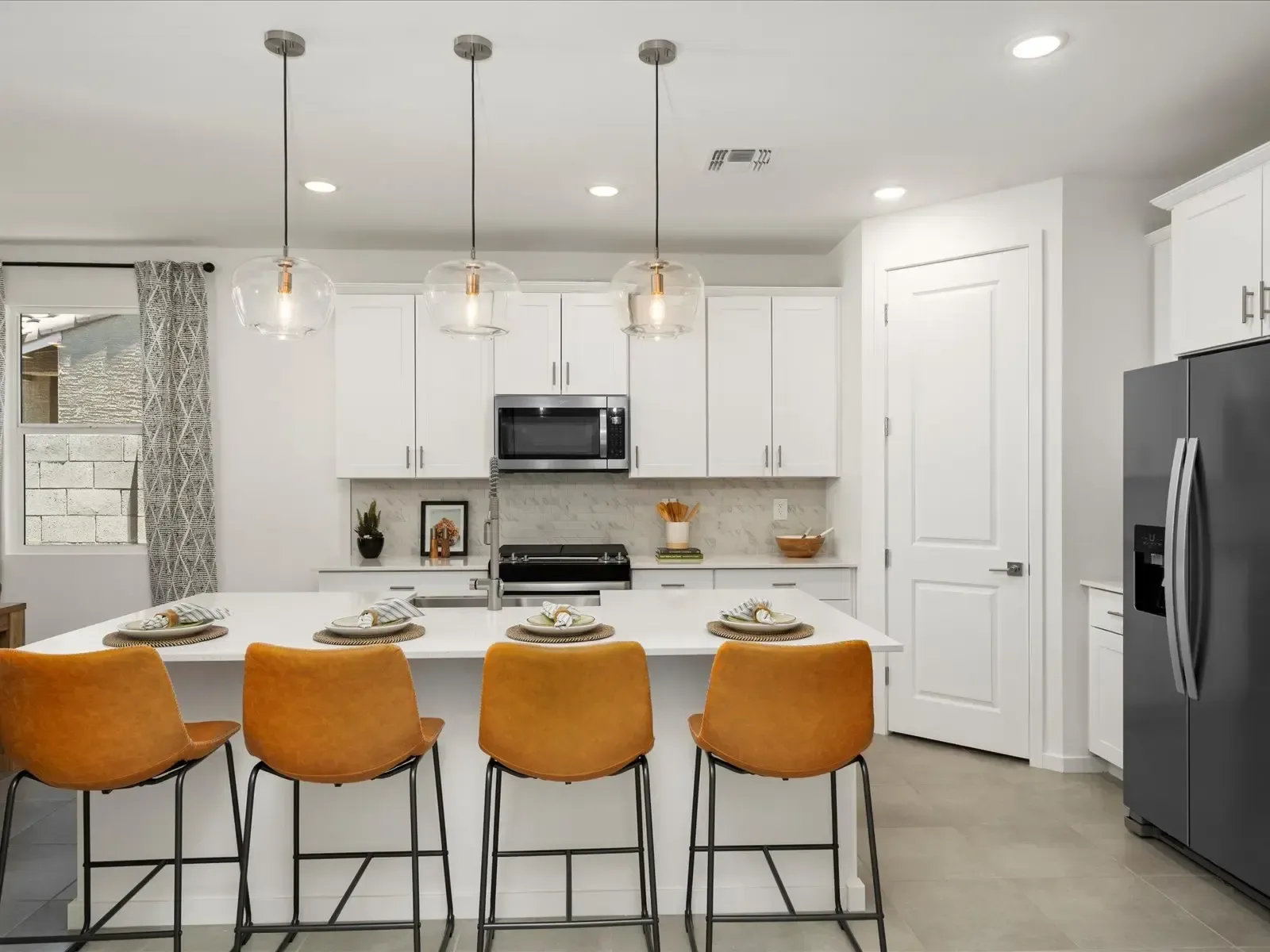
Often not, for a long-time family home. Buyers expect to choose their own finishes, and a full renovation rarely returns its full cost and adds weeks before you can list. The prep that tends to matter more is decluttering, a genuinely clean showing, functioning major systems, and an honest disclosure. If you do refresh anything, the order is usually surface items, paint and hardware, that photograph well, after the safety and function items are handled. Get your team's advice on your specific home before committing to any renovation.
If we declutter and clear rooms as part of the sale, does that finish the downsizing too?
The two can support each other, which is part of why prep and rightsizing are natural to plan together. Clearing rooms for showings uses the same keep, donate, sell, and recycle categories as downsizing, and selling unneeded furniture can even offset part of the prep cost. But the goals differ: prep is about presenting the home to buyers, and downsizing is about deciding what moves into the next chapter. Family members can help with the lifting and sorting of both without any legal authority, while the owner stays at the center of what is kept.
What should we NOT rely on this guide (or any guide) for?
Whether a specific item must be repaired for insurance or financing, how a tax, estate, or legal rule applies to your sale, and who may sign for the owner. Those questions belong to the appropriately licensed professionals for their subjects: contractors for repair scope and cost, a lender or insurance professional for their requirements, and an attorney for authority and taxes. A real estate team coordinates the prep and brings the property-side expertise, but each specialist holds the answer in their own field.
Related resources
- Senior transition hub Selling, rightsizing, and moving, all in one place.
- Senior transition checklist Five ordered phases from the first conversation to the new home.
- Estate cleanout and home prep Organizing, cleanout, repairs, and the prep choices for an older home.
- Home needs repairs Sell as-is, repair what matters, or renovate: the tradeoffs of each.
- Coordinating the sale and purchase How the prep timeline lines up with the closings and the move.
- What Arizona sellers disclose The SPDS, the delivery rule, and what you must be honest about.
- Arizona home selling options Every strategy compared by who it fits and what it involves.
- Who can authorize a sale Powers of attorney, trusts, and court authority, with what to verify.
Important notes: This article explains how to prepare a long-time family home for sale during a senior transition generally. It is not legal, tax, lending, insurance, medical, estate-planning, or benefits advice, and it cannot tell you what a specific buyer, lender, or community will require. A pre-listing inspection is one optional tool; contractors set repair scope and cost, lenders and insurance professionals set their requirements, and Arizona's seller disclosure duty is separate from any prep work. Whether a family member may sign for an owner is governed by estate and legal documents, not by this article. Verify every current cost, rule, and deadline with the appropriate office or licensed professional.
Next step
Bring the prep list and the selling strategy to one conversation.
Line up the listing date, the repair list or as-is plan, and the selling options on the same page. We will help you decide how much prep fits your goals, keep the numbers honest, and turn the plan into a listing on your timeline, with the choices in the owner's hands.
- Phone
- 623-400-5957
- hello@clearlysold.com