

Blog · Selling a Home
Should you get a pre-listing inspection before you sell?
What a pre-listing inspection actually does, what it costs, what it covers, and the tradeoffs of ordering one before your Arizona home goes on the market. Written for sellers who want the condition question handled before the listing does.
 By Andrew Texidor Realtor · Founder, Clearly Sold Updated November 17, 2026
The direct answer
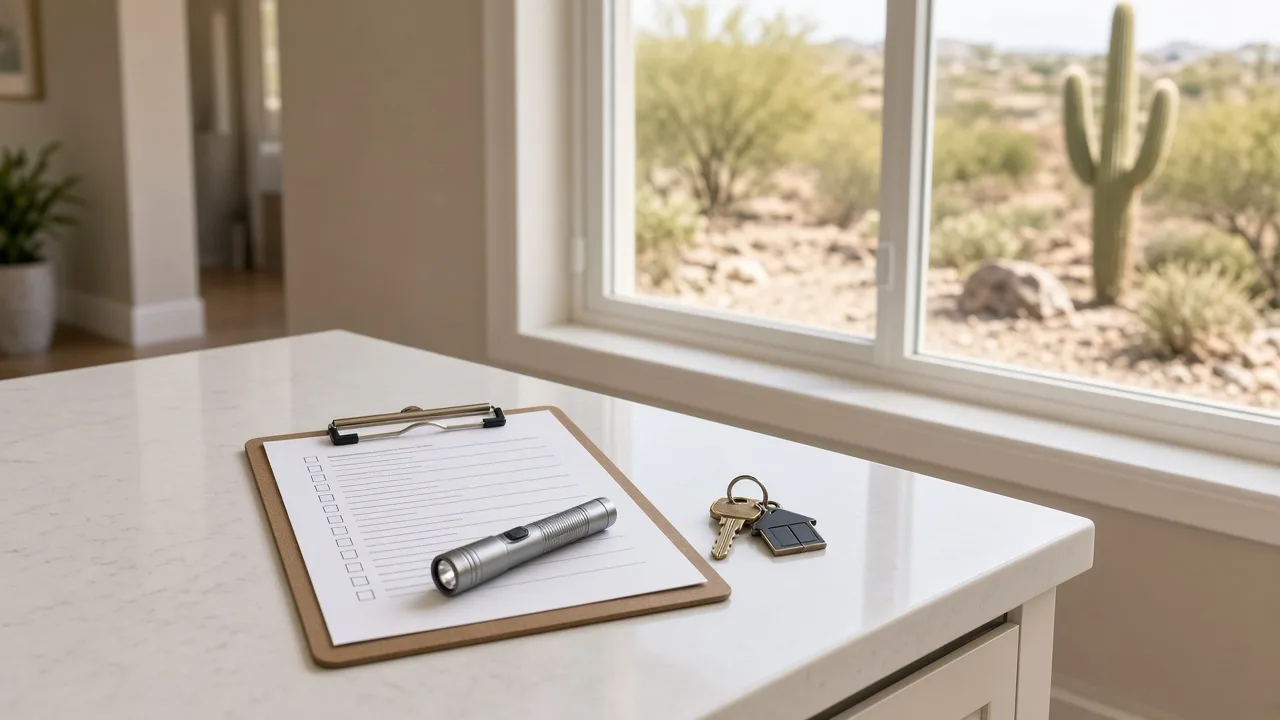
A pre-listing inspection is a professional home inspection the seller orders before the home is listed, using the same scope and standard report a buyer's inspection would use. It is optional in Arizona, it costs real money, and it creates real knowledge: the whole point is to learn the condition of the home early so you can decide what to fix, what to disclose, what to price in, and what to leave. The tradeoff is that once you know about a material defect, your disclosure duty in Arizona generally means you cannot ignore it. Deciding whether it pays off comes down to your home, your timeline, and how you want to negotiate.
Key takeaways
- A pre-listing inspection is the same inspection a buyer would order, done by the seller before listing, so you learn the condition of the home before buyers do.
- It is optional and has real tradeoffs: a cost to pay, findings you then know about, and a disclosure duty once you know them.
- Knowledge is the point: you can fix, disclose, price in, or leave a finding, but in Arizona you cannot easily un-know a material defect.
- A pre-listing inspection does not replace the buyer's own inspection, which usually still happens after an offer is accepted.
- The report becomes a shareable, documented asset that supports an honest, information-forward listing.
What is a pre-listing inspection, and how is it different from the buyer's inspection?
The service and the report are essentially the same: a licensed inspector walks the home top to bottom and reports on the structure, the roof, the systems, and the things that tend to fail or leak. The difference is timing and purpose. A buyer's inspection happens after an offer is accepted and is used to negotiate or walk away. A pre-listing inspection happens before you list, and you use it to make your own decisions about fixing, disclosing, pricing, and marketing the home.
Because the same physical inspection still comes later from the buyer in most transactions, the pre-listing report does not replace it. What it does is let you find and address issues on your terms, with time to get written quotes, instead of reacting under a repair-request deadline after you are already under contract.
What does a standard inspection cover, and what does it not?
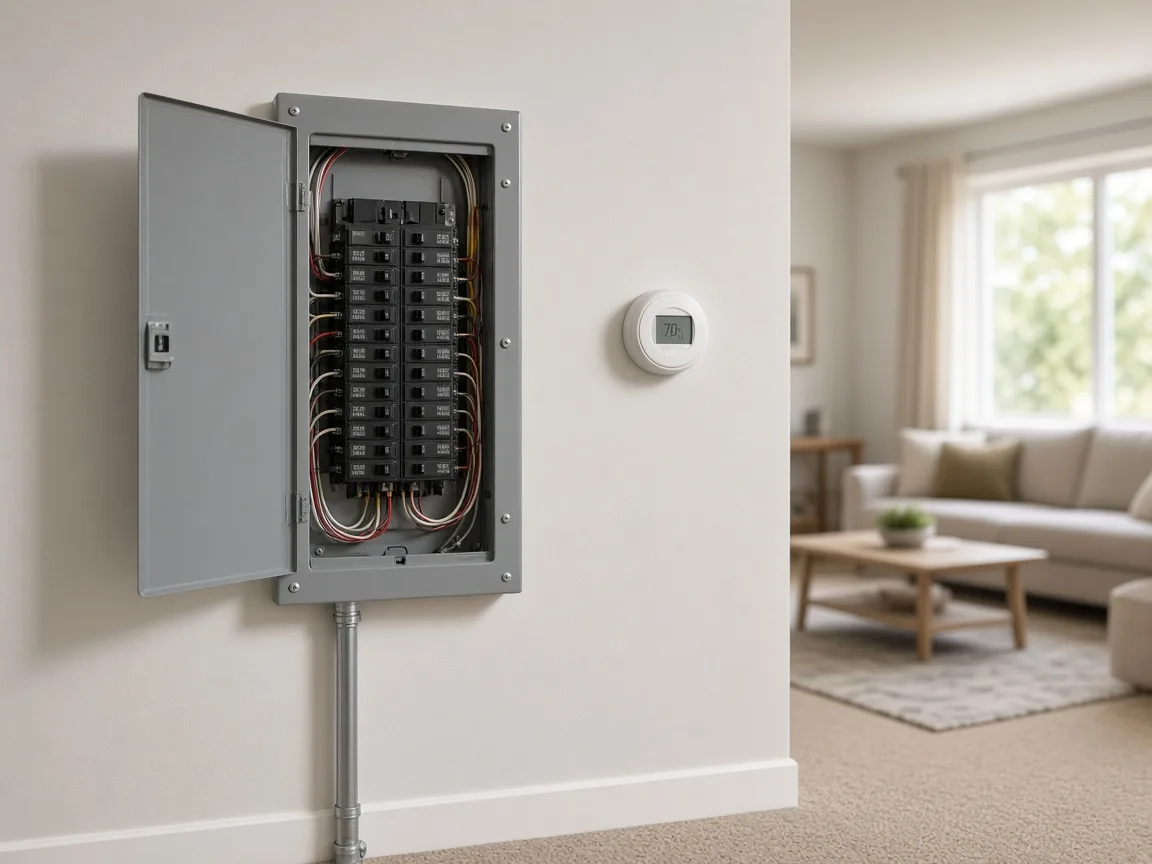
A standard inspection in Arizona is a non-invasive, visual evaluation of the accessible parts of the home, and it typically takes two to four hours. It covers the structure and foundation, the roof covering and attic, the exterior walls, windows and doors, the electrical panel and visible wiring, plumbing fixtures and drains, the water heater, the heating and cooling equipment, and the insulation and ventilation. The report organizes findings by severity, so you can see at a glance what is a safety item, what is a maintenance item, and what is simply a note.
It usually does cover
- Structure, foundation, and visible settlement.
- Roof covering, flashings, gutters, and attic.
- Electrical, plumbing, water heater, and HVAC.
- Windows, doors, insulation, and ventilation.
It generally does not cover
- Cosmetic finishes and minor wear.
- Underground or buried components.
- Pests, termites, or wood-destroying organisms (a separate report).
- Swimming pools unless a pool add-on is ordered.
Arizona inspectors operate under the Arizona Board of Technical Registration's standards of professional practice, and the same licensed professional can perform a pre-listing inspection for a seller as easily as a buyer's inspection. Ask the inspector what is in the base scope and which add-ons are worth it for your specific home before you book.
Why do sellers order one, and what are the tradeoffs?
Sellers order a pre-listing inspection for one honest reason: to see the home the way a buyer will, before a buyer does. That knowledge lets you fix the small things that derail a deal, disclose the larger things honestly, price the home to reflect real condition, and share a clean report with buyers as part of an information-forward listing. In a market where buyers have choices, a documented, transparent condition story can make your home easier to evaluate and less prone to surprise negotiations.
The tradeoffs are real. You pay for the inspection, and findings you did not know about become known, which matters because of your disclosure duty. An older home or a home you have never personally maintained can produce a long list that raises more questions than it answers. For those reasons a pre-listing inspection is a choice, not a rule, and the right answer depends on your property and your plan.
How do you decide whether it is worth it for your home?
It often makes sense when
- The home is older or you have not fully maintained it.
- You are selling as-is or on a tight timeline and want fewer surprises.
- You want to fix the small things that tend to become repair requests.
- You want a documented report to share with serious buyers.
It is easier to justify skipping when
- The home is newer, well-maintained, and fully documented.
- You are confident you will negotiate repairs rather than fix them.
- You are in a competitive market where buyers will accept condition as-is.
- The added cost is more than the sale is worth to you.
A worked example: deciding what to fix, disclose, or leave
Hypothetical example. A seller in a West Valley community is preparing a 2005-built single-story home for sale. The pre-listing inspection returns three notable findings: the air-conditioning condenser is aging and near the end of its useful life, the water heater is a few years past the usual replacement window, and the electrical panel shows a minor, safe-but-untidy wiring note. None of these is an emergency.
With the report in hand, the seller's agent compares written quotes against what each item would do to the sale. The water heater is inexpensive to replace and a clean, low-risk fix, so they replace it. The aging AC is costly, so they choose to disclose it, price the home slightly to reflect the remaining life of the unit, and share the inspection report with buyers. The minor wiring note gets a quick, low-cost correction for peace of mind. The result is a home marketed with the condition story already on the table, and fewer unknowns left for the buyer's inspection to surface.
The same report could have led to different choices for a different seller: one with a strong cash buyer and a tight timeline might leave all three and price the home as-is. That is the point. The inspection gives you the information; the strategy still comes from your goals, your timeline, and the market.
How does the report connect to your disclosure duty?
This is the part to plan around. Arizona sellers complete a Seller's Property Disclosure Statement, and the legal duty is to disclose material facts about the property. Material defects you learn about, including through an inspection, are generally the kind of thing the law expects to be disclosed. A pre-listing inspection does not force you to repair, but it does mean the findings are now things you know, and a buyer who later discovers them has a stronger case than one who was told in advance.
This is why many sellers choose to share the report with buyers rather than hide it. Transparency is the core of how Clearly Sold, brokered by HomeSmart, approaches a listing. A documented condition report, shared up front, supports an honest negotiation and reduces the odds of a deal falling apart over a surprise finding. Your agent can walk you through exactly what your disclosure statement requires in your situation.
What happens when the buyer runs their own inspection anyway?
In most Arizona transactions, the buyer still has an inspection period and can order their own inspection. If they find something, the process runs through the written Buyer's Inspection Notice and Seller's Response, or BINSR: the buyer lists their disapproved items in one notice, the seller responds in writing within the contract deadline, and the two sides either agree on repairs or a credit or the buyer walks away. A pre-listing inspection does not stop this, but it does two useful things: it lets you fix or disclose the obvious items before that deadline pressure arrives, and it gives you a documented baseline to compare against if the buyer's inspector raises something new.
How technology makes the report more useful, not less human
The reason a pre-listing inspection fits the way Clearly Sold works is that it turns vague worry into information you can act on, and modern inspection reporting makes that information easy to share. Reports now come with organized findings, photos of every item, and severity rankings that a buyer can review on a phone or tablet before ever scheduling a showing. Sharing that report as part of an information-forward listing means buyers and their agents can evaluate the home on the same evidence you used, which is a better version of the old pattern where the buyer discovered everything in escrow.
None of this replaces professional judgment. Technology makes the information more accessible and more comparable; the judgment about what to fix, disclose, price, or negotiate still comes from talking through the report with an agent who knows your market. That pairing, useful tools plus experienced guidance, is exactly how Clearly Sold uses technology: to help you make your own, better-informed decision. Real Estate, Clearly.
Where do you go from here?
Get a written quote
Ask the inspector for the base scope and the price in writing, plus what add-ons your specific home likely needs, before you book.
Decide with your agent
Go through the findings together and separate what to fix, what to disclose, and what to price in, with written quotes for the material items.
Price from evidence
Use the report and a current market analysis together, so condition and competition are on the same page before you list.
Frequently asked questions
Is a pre-listing inspection required to sell a home in Arizona?
No. Arizona does not require a seller to order an inspection before listing. It is a voluntary choice that many sellers make to learn the condition of the home early. What is required is the seller's disclosure duty: once you know about a material defect, whether from an inspection or any other source, you generally must disclose it on the Seller's Property Disclosure Statement.
How much does a pre-listing inspection cost in the Phoenix area?
For a typical single-family home, a standard inspection in the Phoenix area commonly runs in the roughly $300 to $600 range, with the final price driven mainly by square footage and the number of systems. Add-on services such as a pool inspection, a separate termite or wood-destroying insect report, or a sewer scope are priced separately, usually a few hundred dollars each. Get a written quote from the inspector before you book so there are no surprises.
What does a standard pre-listing inspection cover?
A standard inspection is a non-invasive, visual evaluation of the accessible systems of the home, usually taking two to four hours. It covers the structure and foundation, roof and attic, exterior walls, windows and doors, the electrical panel and wiring, plumbing, the water heater, the heating and cooling equipment, insulation and ventilation, and the fireplace or chimney. It is not a full condition audit: Arizona inspectors generally do not report on cosmetic items, underground components, or pests, which is why a separate wood-destroying insect report is often ordered on top.
Will a pre-listing inspection stop the buyer from doing their own inspection?
Usually not. In most Arizona transactions the buyer still runs their own inspection during the inspection period, and they negotiate through the written BINSR process. A clean pre-listing report can make that process smoother and reduce the chance of last-minute surprises, but it does not waive the buyer's right to their own inspection unless the buyer chooses to waive it in the contract.
If I get an inspection and it finds a problem, do I have to fix it?
No, an inspection does not force you to fix anything, and it is not a repair order. It is information. You can fix a finding, disclose it and price the home accordingly, offer a credit at negotiation, or leave it for the buyer to decide. The inspection's real effect is on your disclosure duty and on your negotiation: a known defect you have documented is harder to discount later, but it is also one you can plan for instead of discovering at the worst moment.
Sources and further reading
- Arizona Board of Technical Registration How home inspections and licensed inspectors work in Arizona, and what a standard inspection covers.
- National Association of Realtors Why pre-listing inspections put sellers in control, and what the report is used for.
- Pre-listing inspections in Phoenix Local context on what a pre-listing inspection costs and covers for Phoenix-area single-family homes.
Costs and inspection scope vary by inspector, property, and add-on services. Verify the current quote and the exact scope in writing with the inspector you choose. This article is educational and is not legal advice about your specific disclosure duty; confirm what to disclose with a licensed professional for your transaction.
Related resources
- What to fix first How to turn an inspection list into a prioritized repair plan, not a to-do you cannot finish.
- What buyers evaluate The condition and presentation details buyers weigh, and how to prepare without over-fixing.
- Arizona seller disclosures The SPDS, the three-day delivery rule, and what a seller must disclose after learning about a defect.
- After a buyer's inspection The BINSR, the 10/5/5 calendar, and how repair requests or credits are negotiated.
- Turning unknowns into knowns Why a written list and written quotes beat vague worry when you are deciding what to fix.
- Compare seller options Full-service, flat-fee, cash offers, and the other Clearly Sold strategies compared by cost and scope.
- Request a market analysis See how pricing, condition, and competition come together before you list.
Educational note: this article explains how pre-listing inspections generally work for Arizona sellers. It is not legal advice, an inspection, a repair order, or a promise about any cost, timeline, or sale result. Inspection scope, costs, and your specific disclosure duty vary by inspector, property, and transaction. Confirm the written quote and scope with your inspector, and your disclosure obligations with a licensed professional, before you rely on any single detail.
Next step
A condition plan that fits your home
We can walk you through whether a pre-listing inspection makes sense for your home, help you read the report, and put together the fix, disclose, or price-in plan. No pressure, just the plan.
- Phone
- 623-400-5957
- hello@clearlysold.com